new construction
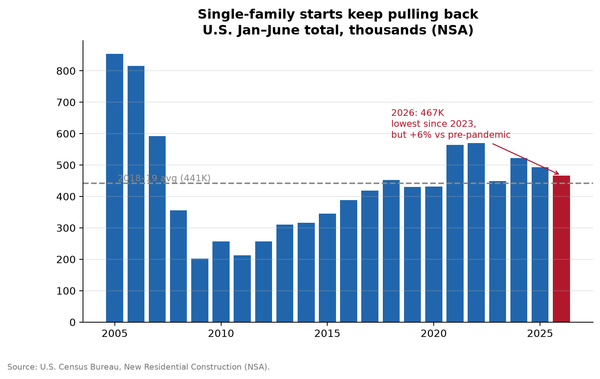
Homebuilding Is Cooling — the Pullback Is Mostly Single-Family, with Multifamily Still ~26% Below Its Pre-Pandemic Trend
Homebuilders continue to pullback
Divounguy is an economist who helps make sense of the forces shaping everyday life. He has advised business leaders and policymakers, translating data into clear insights about the decisions facing households, businesses, and communities.

new construction
Homebuilders continue to pullback
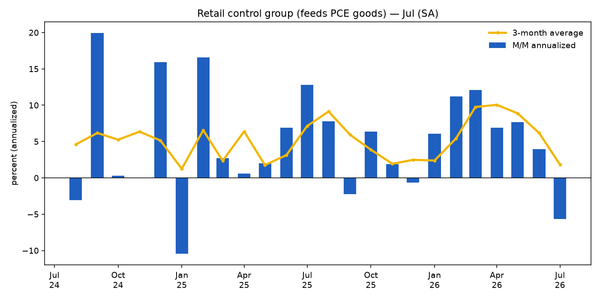
Key Takeaways * A soft month, not a stalling one. Retail sales fell 0.58% in July—the first monthly decline in months—but the three-month trend is still growing at a +2.4% annualized pace. * Most of the annual gain is just prices. Nominal sales are up 5.0%

Producer prices were flat on the month and cooled to 4.7% over the year. Energy did the work. Underneath the calm headline, the producer-price categories that flow into the Fed's preferred inflation gauge firmed — and our backtested nowcast says core PCE is still running above target.
inflation
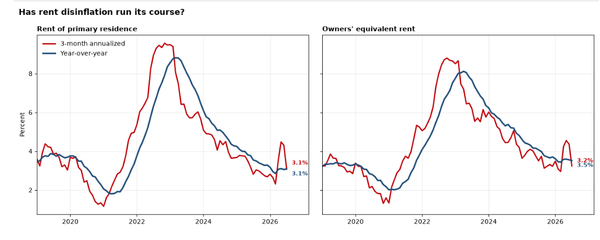
July inflation was genuinely benign — services cooled and annual shelter inflation kept easing. But underneath the friendly headline are three forward-looking risks: rent disinflation looks like it may be bottoming, July’s oil jump hasn’t yet reached consumer prices, and more tariff pass-through is still in the
AI
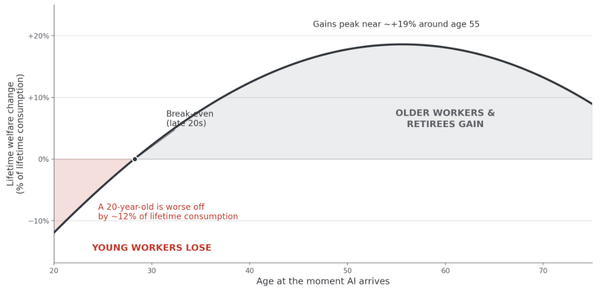
Key Takeaway Young workers have reason to be skeptical, but the outcome is far from predetermined. Labor’s share tells us how the gains are divided; productivity tells us how large those gains are. The key question is whether AI raises output per worker enough to support higher real wages
Government
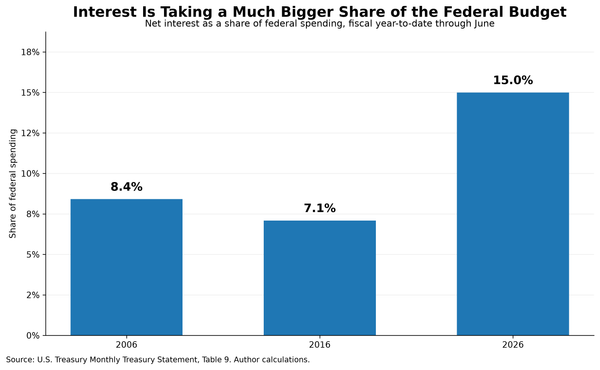
Key Takeaways * Government borrowing is not free. Persistent deficits eventually require some combination of higher future revenues, lower spending, faster growth or erosion of the real value of nominal debt through inflation. Along the way, heavier borrowing can also put upward pressure on interest rates. * Net interest was the largest
employment situation
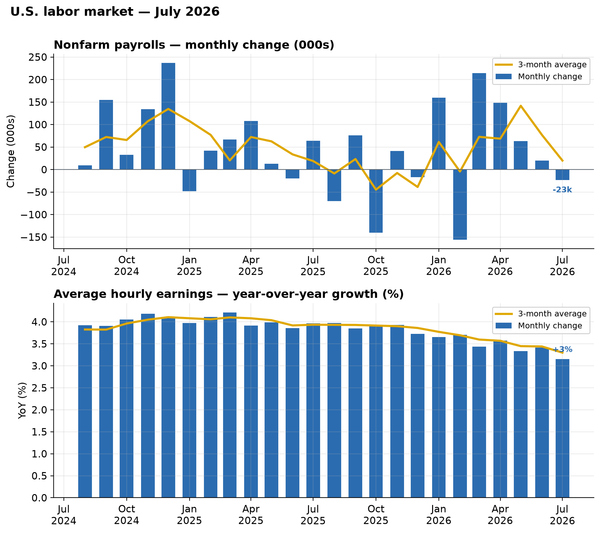
Key Takeaways * Payrolls “fell” 23,000, but that is statistically indistinguishable from zero — and the drop was likely a government-education seasonal quirk. Private payrolls actually rose 30,000. * The revisions are the story: May and June were cut by a combined 103,000, and the 12-month average is
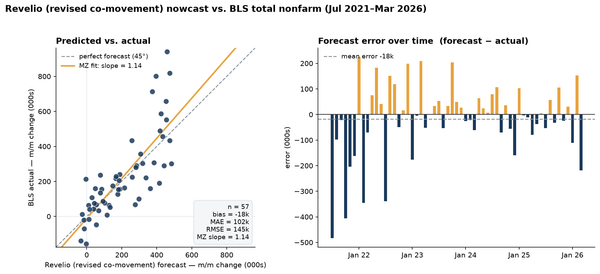
The race to predict payrolls has no clear champion yet. Revelio is useful, not magical: it beats naive rules, looks about as good as LinkedIn, and belongs on a dashboard of real-time labor-market signals — not in place of the BLS report. Key Takeaways * Revelio clears the low bar.
Jobs, Employment, News
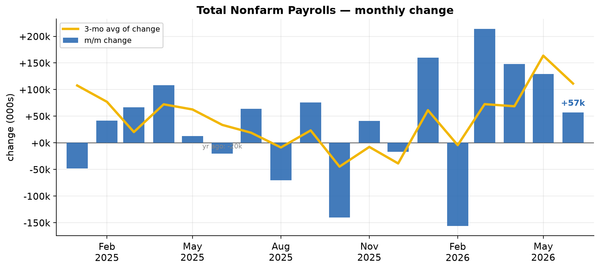
Key takeaways * The job market is frozen — low-hire, low-fire. Employers have sharply cut hiring without materially increasing layoffs; the market has stabilized at a cool level rather than actively deteriorating. * June's 4.2% unemployment fell for the wrong reason. Participation dropped and about 500,000 fewer
AI
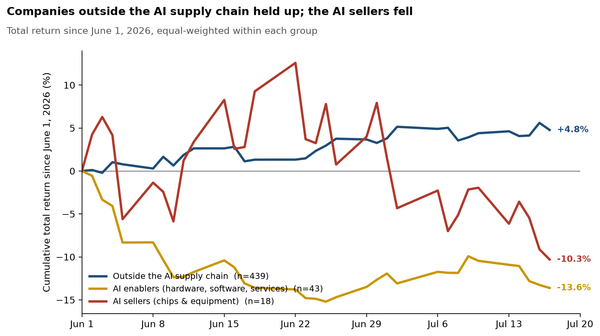
At the start of summer 2026, the companies that use AI outperformed the companies that sell it. Here is a clean way to ask why — and to find out. * The “AI users beat AI sellers” story looks much less dramatic once you compare similar companies. At first glance, companies outside
Federal Reserve
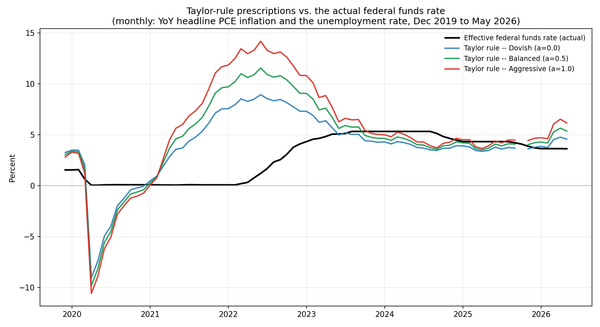
Key Takeaways * The Fed held at 3.50%–3.75% in June, at Kevin Warsh's first meeting. It trimmed the statement and dropped the easing bias, and the dot plot moved from a cut bias to a slight hiking bias. * Unemployment is 4.3%, right on the Fed&
retail sales
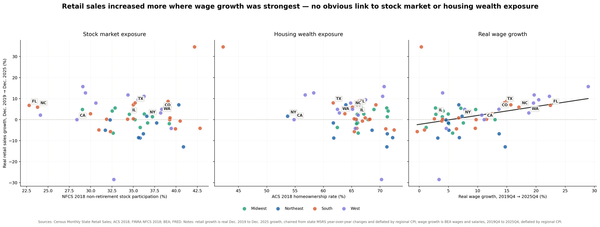
Key Takeaways * Retail sales have come in stronger than expected. The next state-level data, due June 25, will help locate where that strength actually sits. * If the pandemic era is any guide, the strength is probably not concentrated in states where households had the most exposure to rising asset